



This pillar aims to better understand, predict, and mitigate risks in mountain and coastal areas, from the characterization of natural hazards and underlying phenomena, to decision-making and societal adaptation given ongoing and future climate and societal changes.
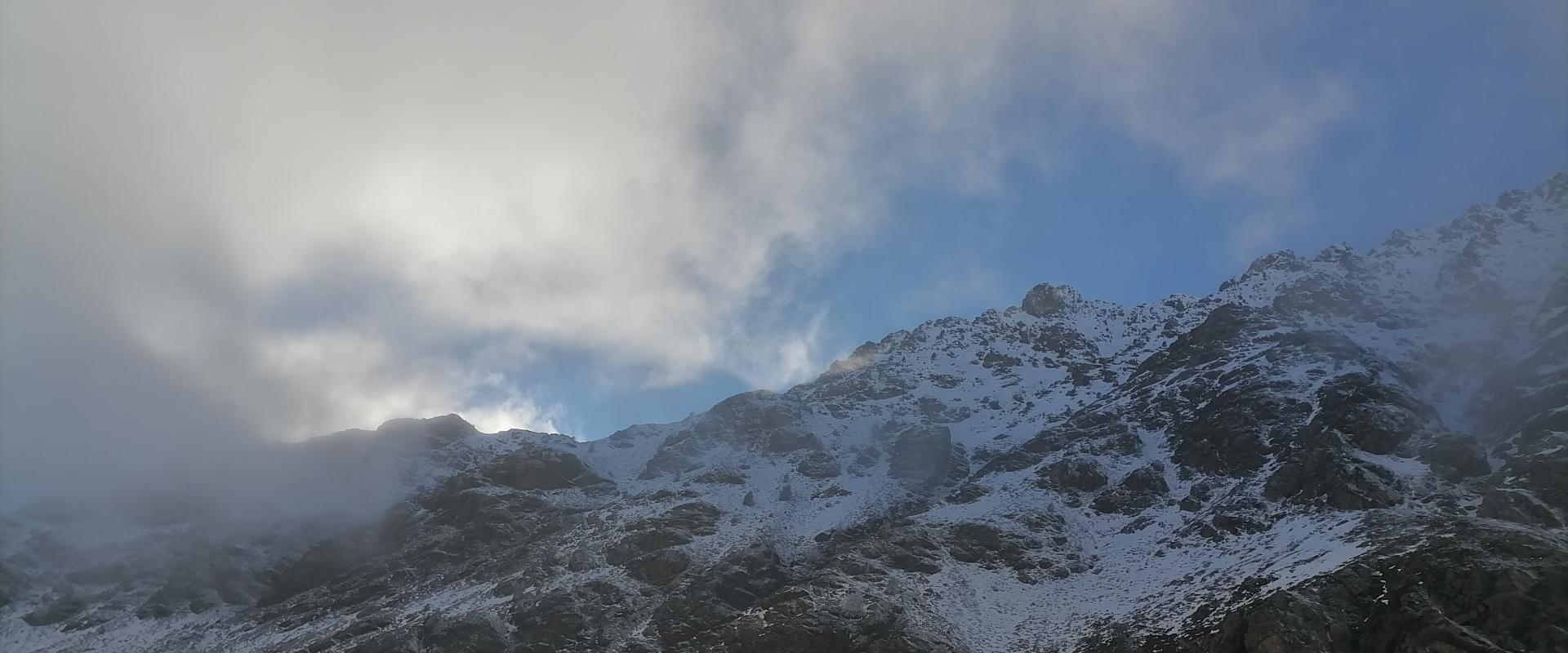
Mountain territories and coastal zones share many commonalities. From a physical perspective, these are areas with strong geomorphological constraints and are subjected to extreme meteorological forcing (steep slopes, freeze–thaw cycles, storm surges, and intense precipitation), which make them difficult environments to access and monitor. They are also highly sensitive to change.
They also share a strong attractiveness for tourism, which generates significant real-estate pressure and, more broadly, increases vulnerability, including for critical infrastructures such as ports, power plants, ski resorts, and ecosystems.
Challenges
- Challenge 1. Improve knowledge of physical and social processes to better assess risks, develop new strategies for multidisciplinary data acquisition, better understand and quantify socio-historical processes, and integrate these advances into refined risk assessments.
- Challenge 2. Refine socio-economic trajectories in the context of global systemic changes by improving understanding of the specificities induced by the rapid evolution of risks in mountain and coastal areas, at different temporal scales, in all their components (hazard, exposure, and vulnerability).
- Challenge 3. Better understand the coupling of coastal processes with the land–ocean continuum by understanding all the hydro-sedimentary coastal processes and water–air and water–sediment interactions across open and semi-enclosed ecosystems.