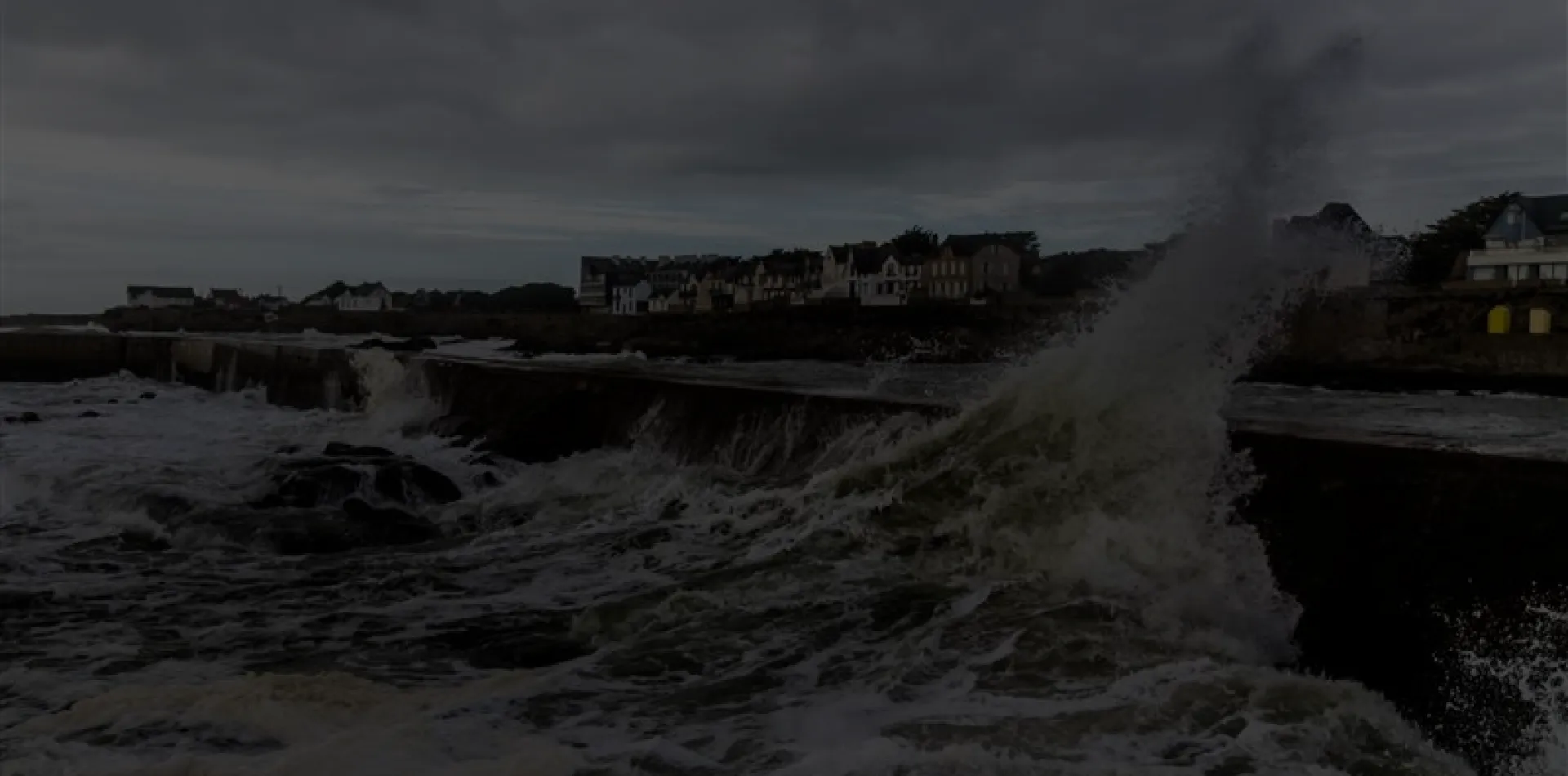


A natural hazard (flood, earthquake, wildfire, etc.) may affect all or part of an industrial installation and cause an accident whose consequences may impact people, property or the environment; this is referred to as a NaTech event. Although they represent only 2% of industrial events recorded since the creation of the ARIA database by BARPI in 1992, the trend has been rising in recent years. In 2018, NaTech events accounted for 9% of the events recorded in France.
In this context, the Risques NaTech project aims to create an interdisciplinary NaTech scientific community focused on technological risk, in order to characterise and anticipate these risks and to produce useful data for the various stakeholders concerned (scientists, decision-makers, citizens and industrial actors).
The project is structured around four tasks:
- Analysis of the specific characteristics of the territories studied (hazards, assets and vulnerabilities) and of stakeholder structuring, and the implementation of a participatory process designed to facilitate exchanges throughout the project;
- Co-construction of NaTech scenarios with stakeholders from the territories studied;
- Development of digital tools and models for NaTech risk assessment;
- Development of methods and tools for decision support and crisis management.
The Risques NaTech project focuses on urban and peri-urban territories, which are generally associated with high population densities and concentrations of industrial installations, and covers three pilot sites in France:
- The lower Seine valley (from Rouen to Le Havre), to test methodologies related to coastal flooding and river flooding hazards interacting with chemical risks in a context of high urbanisation;
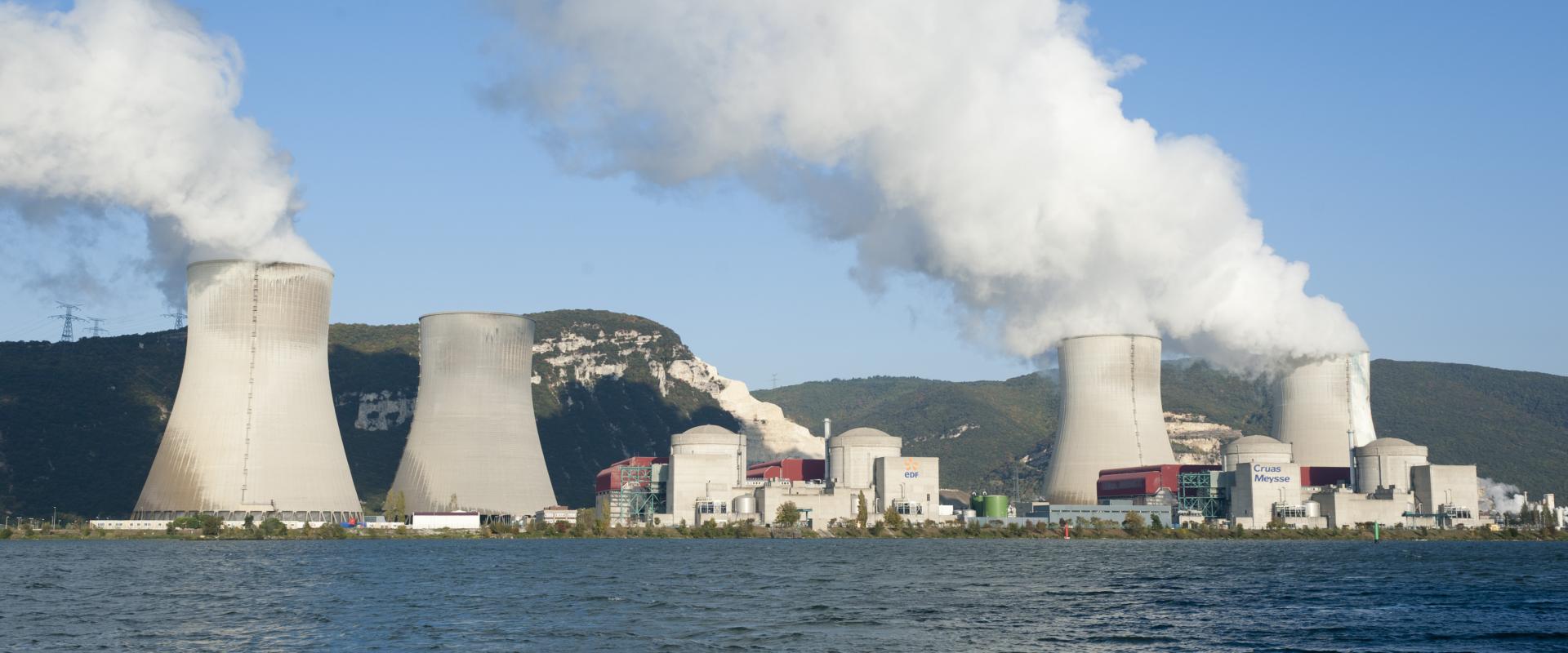
- The Gironde estuary, with the Blayais nuclear power plant and the chemical industries of Ambès, to work on the combination of coastal flooding and river flooding hazards with radiological and chemical risks and their impacts on surrounding urban territories;
- The Rhône valley, for the development of tools and methods related to seismic hazards and their potential impacts on nuclear and chemical industries.
From characterising NaTech risks and societal analysis of the territories studied to the co-construction of relevant scenarios
The work will initially focus on characterising NaTech risks based on the “classic” risk assessment framework, which relies on analysing the impact of one or more natural hazards on industrial equipment. This will involve studying the vulnerability of this equipment, analysing whether its integrity is compromised, and then estimating loss of containment and consequences at the territorial scale.
To this end, data on the natural hazards considered in the project (coastal flooding, river flooding, earthquakes)—for example, maps of potentially impacted areas associated with water depths and flow velocities in the event of flooding—as well as data on the characteristics of industrial equipment are required. The team will in particular rely on data from the IRICOT project of the program and from Météo-France for natural hazards.
The added value of the NaTech project lies in combining different types of risks for assessment and decision-making (map overlays, domino effects), and in extending the risk assessment approach to the entire territory by taking into account interdependencies between infrastructures.
One of the challenges is to integrate a societal analysis into this NaTech risk assessment framework in order to identify the territorial, economic and industrial actors concerned by accidents and potential impacts. A PhD thesis will be conducted on the basis of these elements with the aim of building a participatory process for the creation and facilitation of a NaTech community.
In a second phase, the team will work on developing four NaTech scenarios that could lead to crisis situations: two so-called “plausible” scenarios (lower Seine valley and Gironde estuary), one so-called “extreme” scenario—i.e. considered to have a low probability (Rhône valley)—and one so-called “disruptive” scenario (Gironde estuary), which falls outside the scenarios traditionally considered in risk assessment and crisis management.
The project kick-off meeting provided an opportunity to discuss the actions to be carried out, in particular the precise definition of plausible, extreme and disruptive scenarios, the operating methods for their co-construction with stakeholders, coordination between the different teams involved, the boundaries of the pilot sites, and the expected formats of the scenarios for the tools and models to be developed within the project.
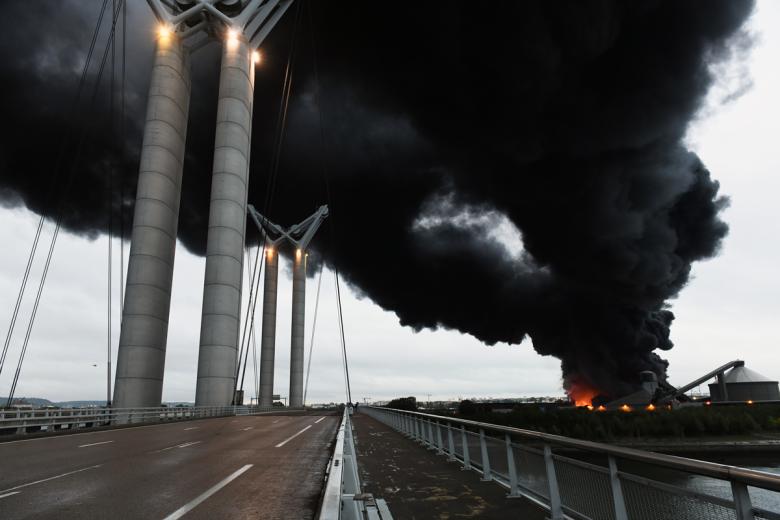
Fumée sur le pont Flaubert
© Adobestock
Digital Tools and Models for NaTech Risk Assessment
These scenarios will feed into Task 3 of the project, which is dedicated to the design of digital tools and models for NaTech risk assessment. The objective is to quantify the impact of a scenario on an industrial activity and then on a geographical area or a nuclear site, by determining fragility curves in order to conduct probabilistic and prospective safety or security studies.
The team also highlights the challenge of characterising how the vulnerability of industrial installations evolves over time (under the effects of degradation, ageing and successive shocks) when exposed to natural and technological hazards; this will be the subject of a PhD thesis. Better integration of cascading effects into risk assessment is also required, which is why the team will focus on:
- Designing dynamic simulation models to represent the vulnerability of industrial sites and critical infrastructures to natural phenomena and cascading events;
- Developing methods to analyse, characterise and quantify cascading and systemic effects in order to support decision-making.
Finally, work will be carried out on the propagation and identification of exposed areas in the event of potential radiological or chemical accidents, taking uncertainties into account (regarding releases of hazardous substances into the atmosphere and meteorological forecasts). The aim is to propose methods and tools based on numerical models as well as artificial intelligence to generate dynamic maps of potential impact zones and identify scenarios of interest for decision support (evacuation, sheltering, etc.).
Towards Confronting Scenarios and Models with Real-World Conditions for Decision Support
Which parameters influence the decision-making processes (timeframes, uncertainties, prioritisation, etc.) of actors in charge of managing NaTech risks, and the reactions of exposed populations? These questions are central to the project, which also plans to address the following aspects:
- Study of the alert process in crisis situations: the team will analyse feedback from experience (REX) related to natural, industrial and NaTech hazards, as well as the spatial organisation and experience of alerts, and will propose a feedback methodology that better integrates alert systems in order to improve knowledge in this area;
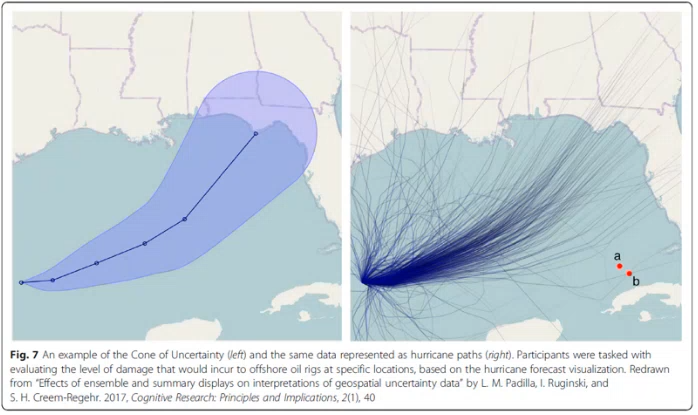
- Analysis of the perception and communication of radiological risk under uncertainty, through an experiment conducted with a panel of individuals exposed to a scenario with uncertain radiological consequences and receiving different types of information and communication materials. The aim is to study their perceptions, behaviours and decisions according to the information and representations received, similar to the example shown in the adjacent figure illustrating two ways of presenting possible hurricane trajectories;
- Development of a multi-criteria (technical, economic, environmental, social) and multi-actor analysis approach, with a view to structuring consultation processes for decision-making;

Exercice national de crise au Centre Technique de Crise (CTC) de l’IRSN à Fontenay-aux-Roses le 15 octobre 2019
© Célia Goumard/Médiathèque IRSN
- Framing of crisis simulation exercises to play out certain NaTech scenarios, in order to compare the expertise approaches and tools of different actors for various types of risks (INERIS, IRSN, Météo-France, etc.) and to inform the developments planned within the project. A simulation exercise planned at the end of the NaTech project will make it possible to assess the project’s contribution in light of the crisis management tools and methods developed, potentially within the framework of a crisis exercise involving field stakeholders.
The kick-off meeting also provided an opportunity to foster exchanges among project members, particularly on the identification of actors within the territories studied, previous experiences of participatory collectives for risk management, and current territorial partners, in order to ensure a solid start to the research work. The meeting brought together around twenty participants in person at IRSN, and around thirty participants online.
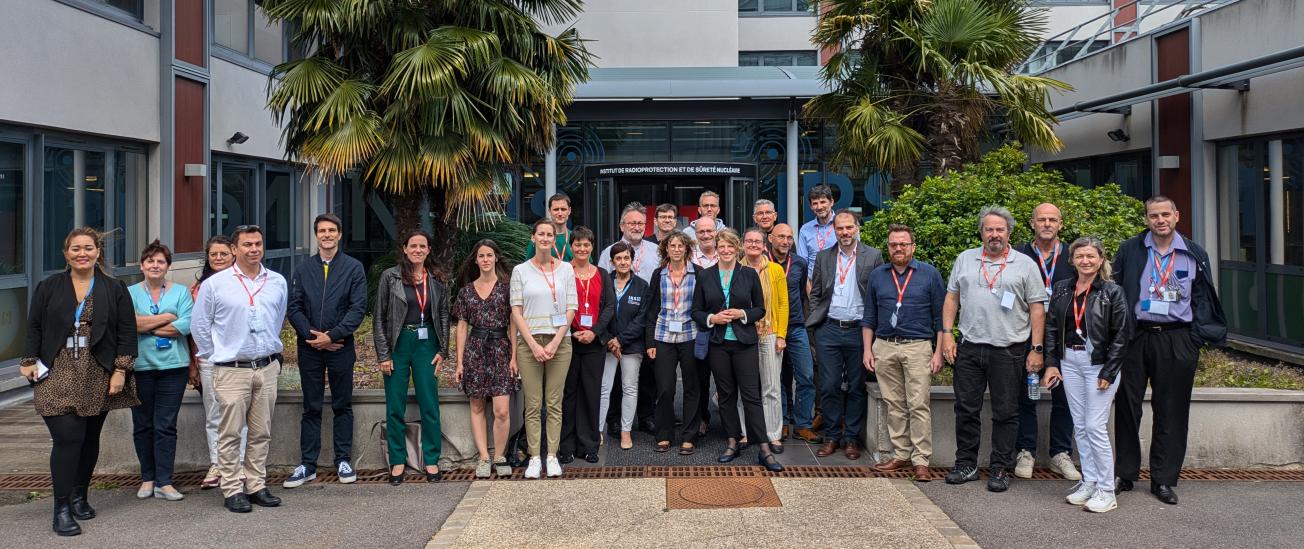
The NaTech risks project, coordinated by INERIS and IRSN, brings together Grenoble Alpes University, including INRAE, IRD, Grenoble INP-UGA, CNRS – University of Avignon, IMT Atlantique, ETPE, Météo-France, and Dauphine – PSL University.