


News


Challenges
The term NaTech, a contraction of “Natural” and “Technological,” is now commonly used to designate the impact a natural disaster can have on an industrial facility, potentially triggering an accident with consequences that may extend beyond the industrial site and affect people, property, or the environment.
Although they account for only 2% of the industrial events recorded since the establishment of the BARPI ARIA database in 1992, their share has increased in recent years. In 2018, they accounted for 9% of the events recorded in France.
In the context of climate change, the frequency and/or intensity of extreme natural events may increase further, justifying the need to better characterize and anticipate NaTech risks.
To meet this objective, an essential step is to identify relevant NaTech scenarios to study. The challenge lies in defining and exploring them collectively, drawing on the latest scientific advances across relevant disciplines, mobilizing all available knowledge and experience, including those from local stakeholders in the studied territories, and incorporating projections from the climate science community.
Objectives
The NaTech Risks project proposes to develop NaTech scenarios with territorial stakeholders and to design methodological approaches and tools to assess and quantify these risks and their associated uncertainties. It also develops tools for decision-making support and crisis management. Given the significant stakes, the project focuses on urban and peri-urban areas, typically associated with high population density and concentrations of industrial facilities.
More broadly, the project aims to:
- Build and structure an interdisciplinary NaTech community (centered on technological risk) for an integrated and shared approach to risks, their anticipation, and management.
- Model and quantify NaTech risks, their impacts, and associated uncertainties for non-stationary hazards and stakes, at the urban and peri-urban scale.
- Assist and support the anticipation and management of NaTech crises based on accident scenarios, and develop methodological and modeling tools that consider the specificities and stakeholders of the studied territories.
Key figures
-
6.00years
-
3.00study sites
-
8.00partners
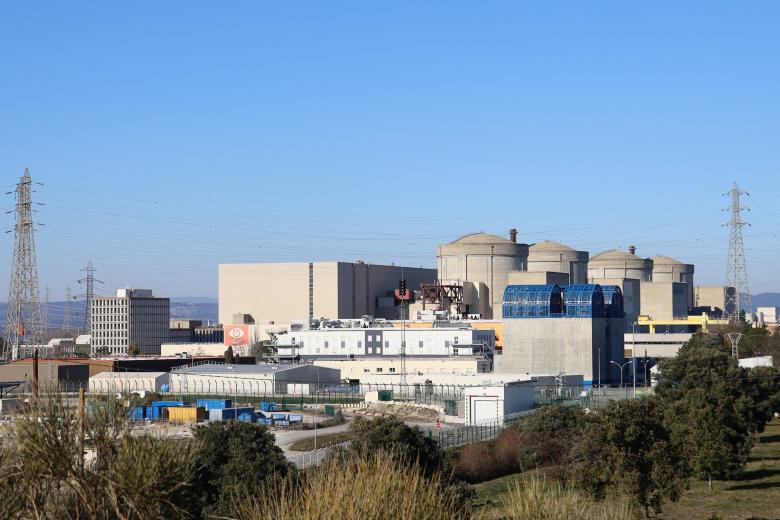
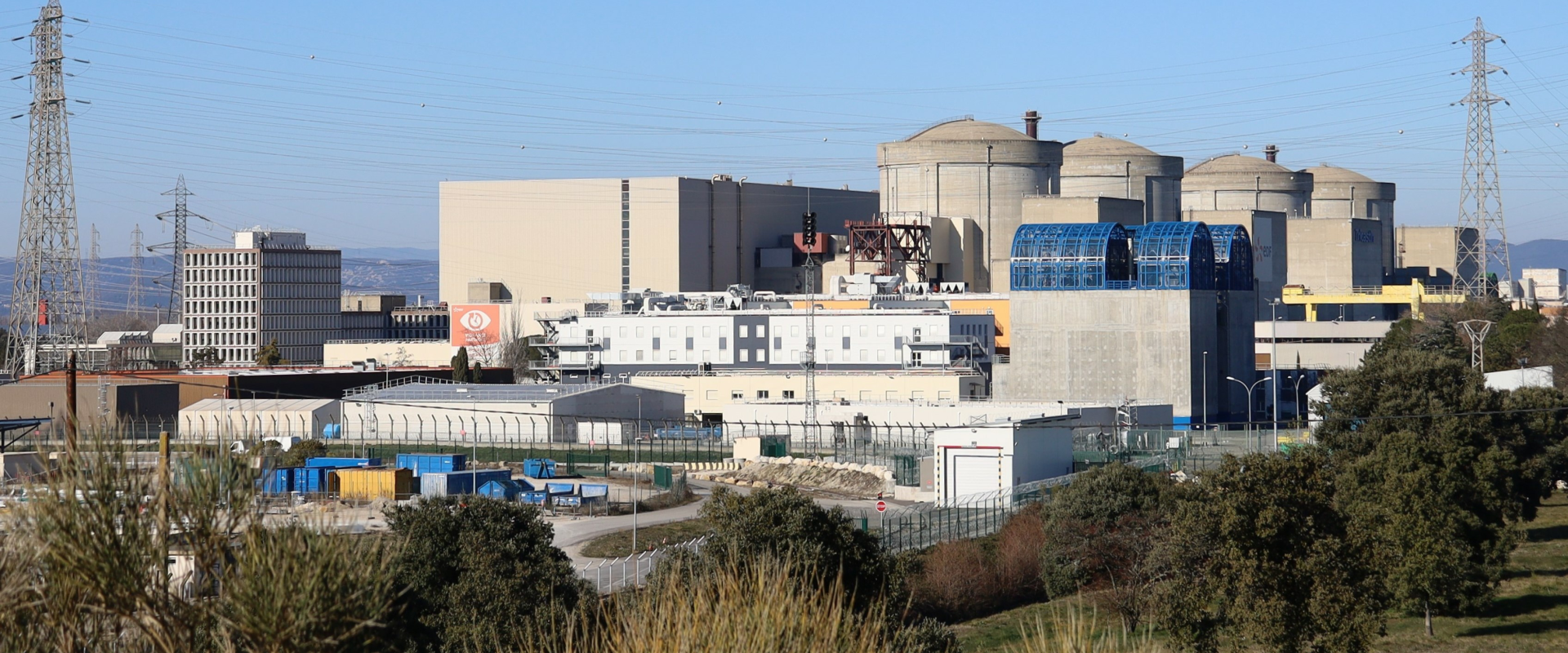
La centrale nucléaire du Tricastin, vue de l'extérieur, ville de Saint Paul Trois Chateaux, département de la Drome, France
© Adobe Stock
Pilot sites
The project focuses on three territories where partners have already conducted studies, and for which certain data are available:
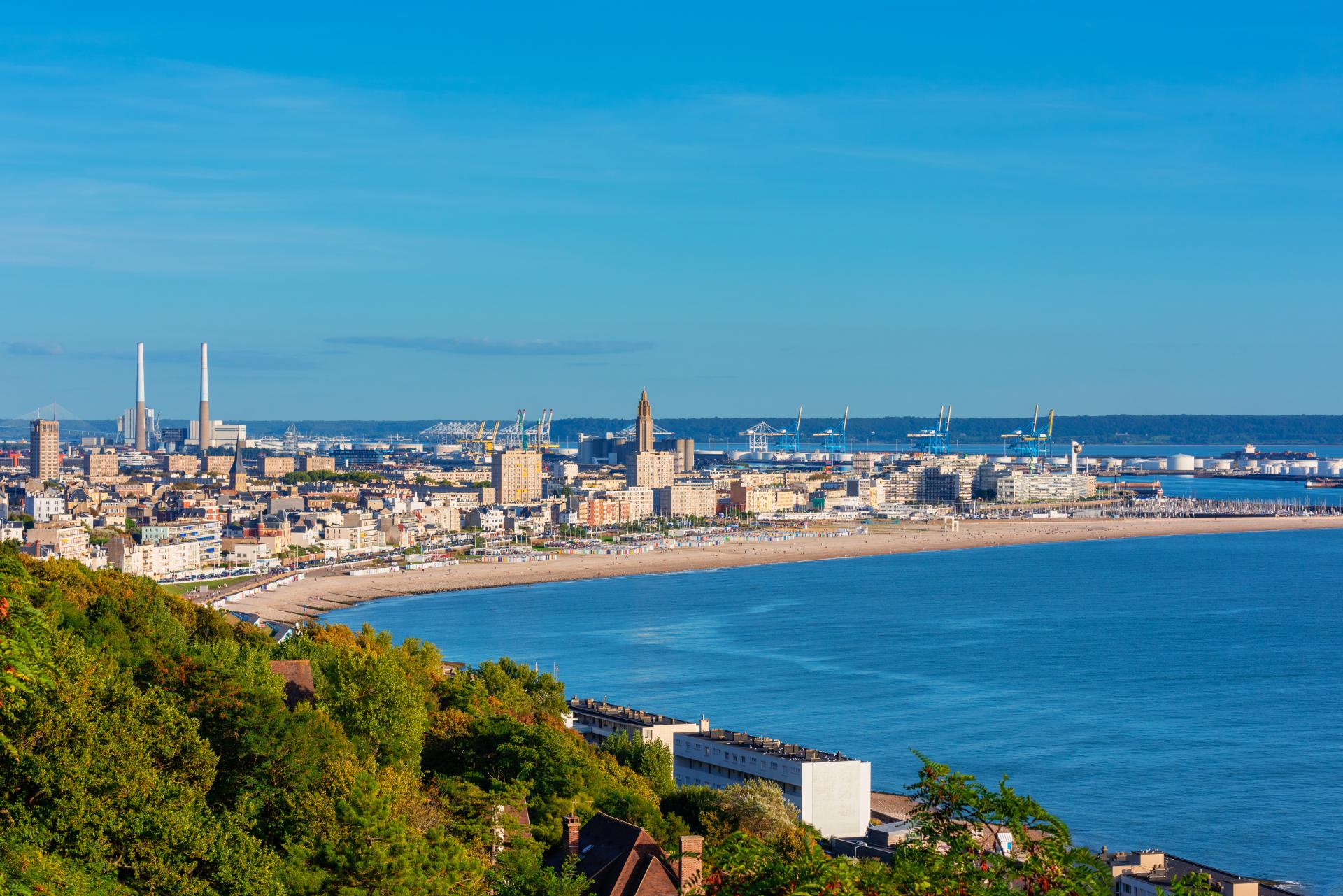
- The lower Seine Valley (from Rouen to Le Havre), to test methodologies related to floods/marine flooding hazards interacting with chemical risks in a context of high urbanization.
- The Gironde Estuary, where the Blayais nuclear power plant and the Ambès chemical industries are located, to test NaTech approaches on combined floods/marine flooding hazards interacting with radiological and chemical risks, and their impacts on surrounding urban territories.
- The Rhône Valley, to study tools and methods related to seismic hazards and their potential impacts on nuclear power plants (Tricastin and Cruas) and chemical industries.
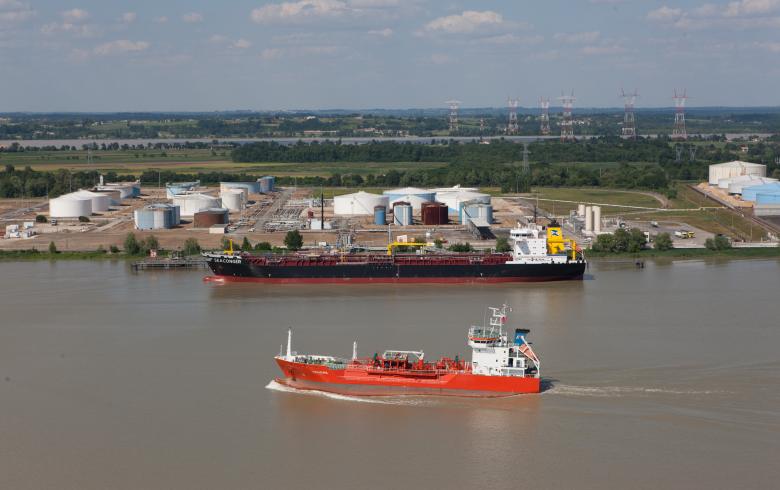
Ambès
© Adobe Stock
Research axes and expected outcomes
In an initial phase, scientists analyze the specificities of these territories (hazards, stakes, and vulnerabilities), the organization of stakeholders, and propose a participatory process. This process is intended to foster exchanges during the project and to test ways of feeding the decision-making process with measurement data and modeling results.
Ultimately, the intended outcomes include:
- Co-developing NaTech scenarios that could lead to crisis situations, with stakeholders, while considering the specificities of each territory.
- Developing tools and methods to evaluate and quantify these risks and associated uncertainties, focusing particularly on:
- Modeling the impacts of natural hazards on industrial facilities (chemical or nuclear), including facility aging and vulnerability to these hazards.
- Modeling cascading effects and uncertainty propagation.
- Modeling atmospheric transport of pollutants released by technological accidents, taking into account various sources of uncertainty.
- Proposing an experimental framework to understand the parameters influencing decision-making (delays, uncertainties, prioritization, etc.) among actors responsible for managing NaTech risks (industry operators, authorities), as well as the reactions of populations living in exposed territories within the three pilot sites. This work includes analyzing how the spatial representation of a “danger,” once perceived, seen, or heard by stakeholders, influences responses. It will also identify best practices to implement after each disaster and improve knowledge by proposing an analytical framework adapted to both past and future situations.
Co-leaders
Karine Adam (Ineris), coordinator of the NaTech Risks project, is a chemical engineer by training. As coordinator of programs related to “Risks at the scale of industrial sites and territories” at Ineris, her work focuses on strategic and forward-looking analysis, and on developing methodological and applied studies to implement integrated risk assessments in light of changing industrial, territorial, and climatic conditions. With 20 years of expertise in environmental risk assessment and prevention, she has notably contributed to supporting the safe and sustainable development of industrial and agricultural sectors at the national level, including research projects on future biorefineries linked to bioeconomy challenges.
Irène Korsakissok (IRSN), engineer and PhD in environmental sciences, has worked for more than 12 years in the IRSN Emergency and Crisis Preparedness Service, dividing her time between research activities and responsibilities in crisis organization. Her research on atmospheric dispersion models and associated uncertainties is directly informed by operational needs in crisis management and by feedback from real crises (including Fukushima) and national and international crisis exercises. She has participated in more than 40 crisis exercises and regularly contributes to scenario development in collaboration with operators and public authorities.
Partners
The NaTech Risks project is based on multidisciplinary collaboration among scientists in environmental sciences, engineering, information sciences, and social sciences, as well as territorial stakeholders.
Project members also develop interactions with other IRiMa Risks Research Program projects: IRIMONT (Mountain), IRICOT (Coastal), Overseas, and Risks and Societies. Specifically, this involves documenting the historical evolution of challenges and vulnerabilities, developing scenarios and generic methodologies. Examples include cascading phenomena and non-stationary risks, dynamic risk management, and decision support.
The project brings together:
- Ineris (coordinating institution).
- IRSN (co-lead).
- University of Grenoble Alpes including Inrae, IRD, Grenoble INP.
- CNRS – University of Avignon.
- IMT Atlantique.
- ENTPE.
- Météo-France.
- Université Dauphine – PSL.