

News

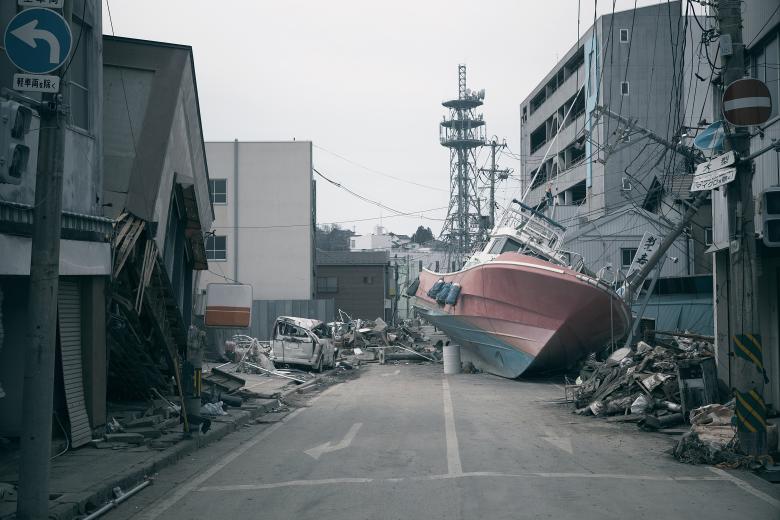
Dégâts provoqués par le tsunami (Fukushima, Japon, 2011).
© Adobe Stock
Challenges
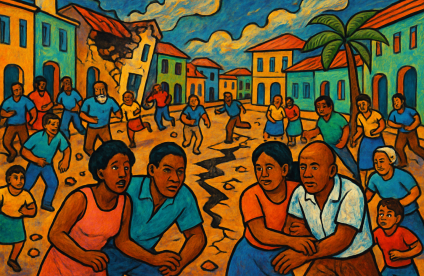
In the context of global systemic change, the nature of risks is being transformed, with drastically worsened impacts due to the combination of so-called natural risks, such as floods, droughts, fires, or earthquakes, with modes of societal organization, including urbanization and land-use planning policies, industrial activities, and institutional capacity to respond to disasters. This situation has led to significant polycrises, illustrated by Hurricane Katrina (2005), the Fukushima nuclear accident (2011), recent floods in northern and southeastern France (2023), and earthquakes in Türkiye, Syria, and Morocco (2023).
Extensive research in the humanities and social sciences (HSS) has been conducted to better understand the transformations in risk management over recent decades, analyzing shifts in scientific and political paradigms, new instruments for risk analysis and management, the implementation of territorial policies at different scales, and post-disaster policies.
It remains essential to pursue this research effort in order to better account for the impacts of climate change, the unpredictability of risks, and the various forms of instability and inequality they generate. The goal is to build analytical frameworks that fully integrate the issues of overlapping and interlinked risks and vulnerabilities, enabling the production of relevant research and expert assessments for the design of more inclusive policies and mechanisms (including stakeholder participation) for prevention, warning, crisis management, adaptation, and resilience.
This requires moving beyond the “hazard-centered” approach that remains the dominant paradigm in risk knowledge production. It is also important to structure the national HSS research community working on risks, which is currently fragmented and insufficiently visible internationally.
Objectives
In this context, the Risks and Societies targeted project aims to develop a body of work on the social and political dimensions of risks, and to produce summaries at the scale of the IRiMa Risks Research Program. More specifically, it seeks to:
- Analyze and produce a shared assessment of current modes of risk and disaster management (concepts, approaches, methods, and practices) based on case studies and international comparisons, in order to improve or transform them
- Contribute to building a new analytical and integrated risk management framework that incorporates social and political dimensions, capable of addressing the superposition, interconnection, and interdependence of different risks across multiple territories
- Design and trial new tools and mechanisms for inclusive risk governance, in collaboration with various stakeholders: scientists, decision-makers, operational actors, and citizens
- Develop and structure an HSS research community on risks and disasters, strengthening interdisciplinary approaches and collaborations, and enhancing this community’s visibility internationally.
Key figures
-
2.50million € over 7 years
-
4.00Four main objectives
-
8.00partners
Research axes
To meet these challenges, the project is structured around five axes:
- Structuring the national HSS community, developing collaborations, and strengthening its international visibility.
- Analyzing and characterizing seismic and volcanic risk monitoring networks in France.
Researchers aim to analyze, through historical and sociological approaches, the tensions between observation and monitoring, and how the anticipation of major risks is currently organized. They also examine the forms and effects of the rise of citizen-based environmental monitoring, and conduct comparisons with international monitoring systems.
- Studying ongoing transformations in risk policies and current modes of governance.
This includes investigating multi-risk approaches, which are currently conceived in different ways, their territorial implementation, particularly in the Nouvelle-Aquitaine region, the territorialization of risk and disaster policies, and transformations in anticipatory governance.
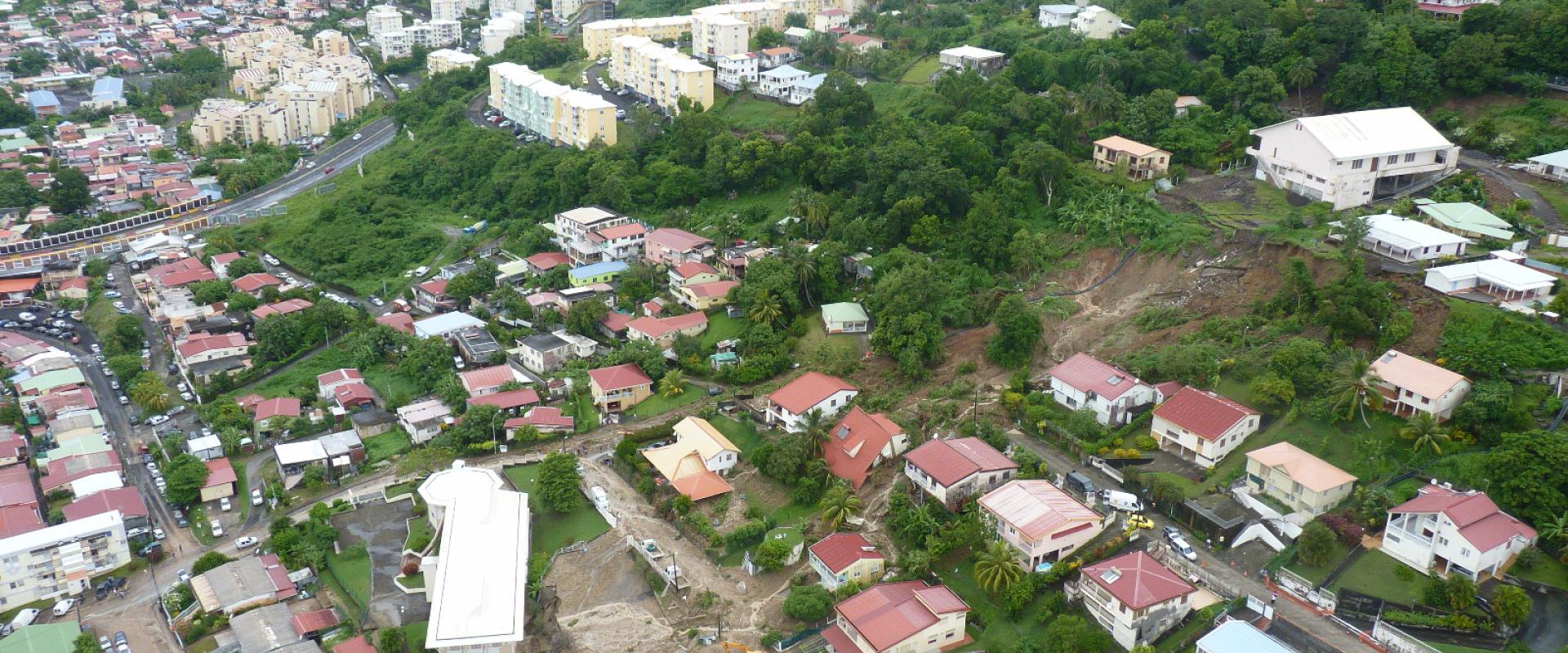
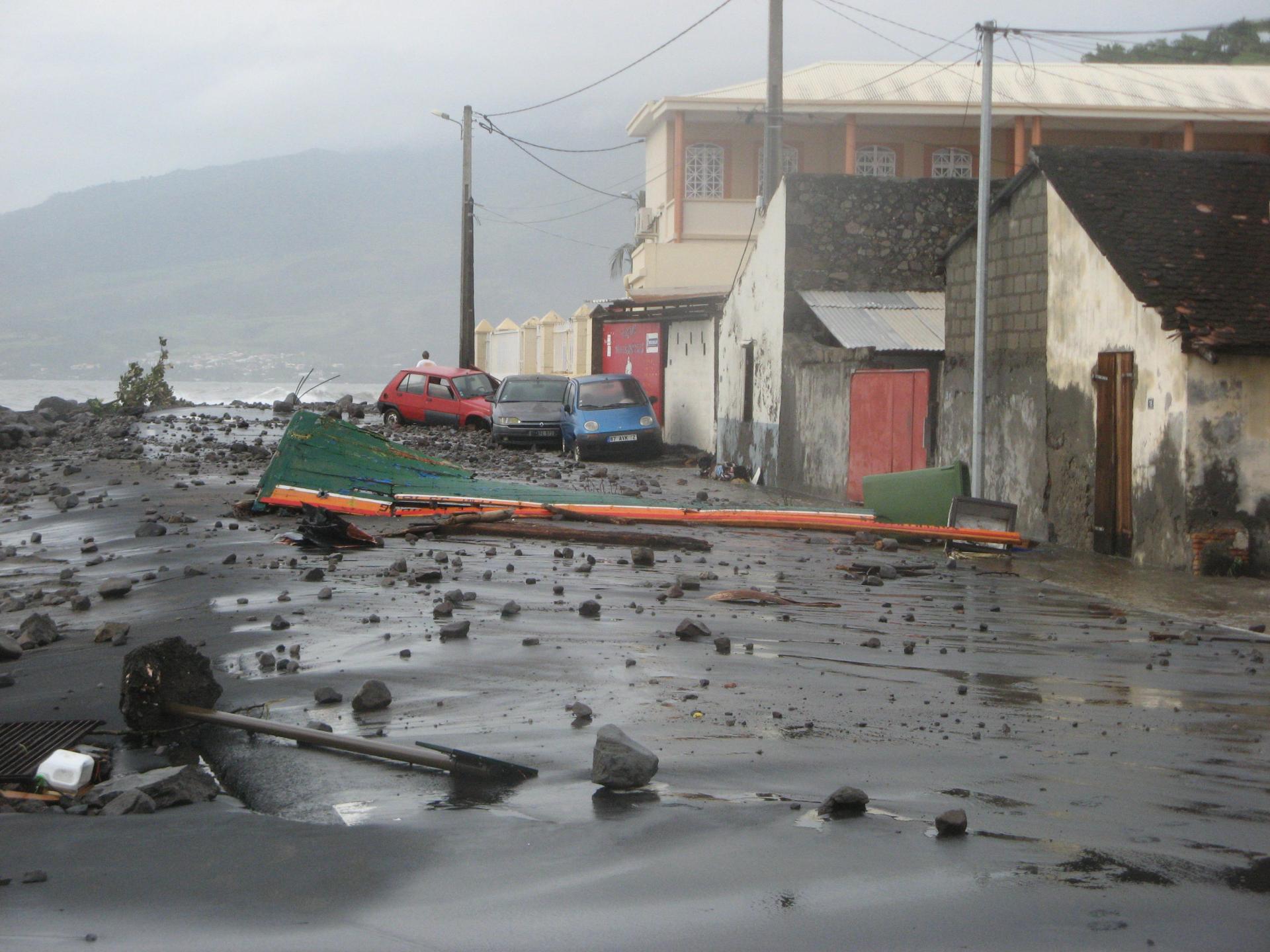
- Analyzing approaches to multiple vulnerabilities, and the tools and policies implemented in overseas territories.
Researchers will also assess past disasters in order to propose approaches that better integrate multiple vulnerabilities and their interdependencies, with a view to reducing risks and disasters.
- Conducting an assessment of risk management mechanisms and practices that include an active role for residents of at-risk areas.
In addition, establishing a Risk Lab: an operational mechanism for knowledge production and dialogue among scientific communities, citizens, operational services (civil protection, etc.), and public authorities.
Project coordinator
Soraya Boudia, Professor at Université Paris Cité and seconded to the CNRS as Research Director, is co-director of the IRiMa Risks Research Program. A historian and sociologist of science, the environment, and risks, she has developed extensive research on the relationships between science, technology, and politics, in particular on the governance of environmental risks.
Partners
- CNRS (coordinating institution)
- INRAE
- IRD
- IRSN
- Université Grenoble Alpes
- Sorbonne Université
- Université de Strasbourg
- Université de Pau et des Pays de l’Adour