


Context and objectives
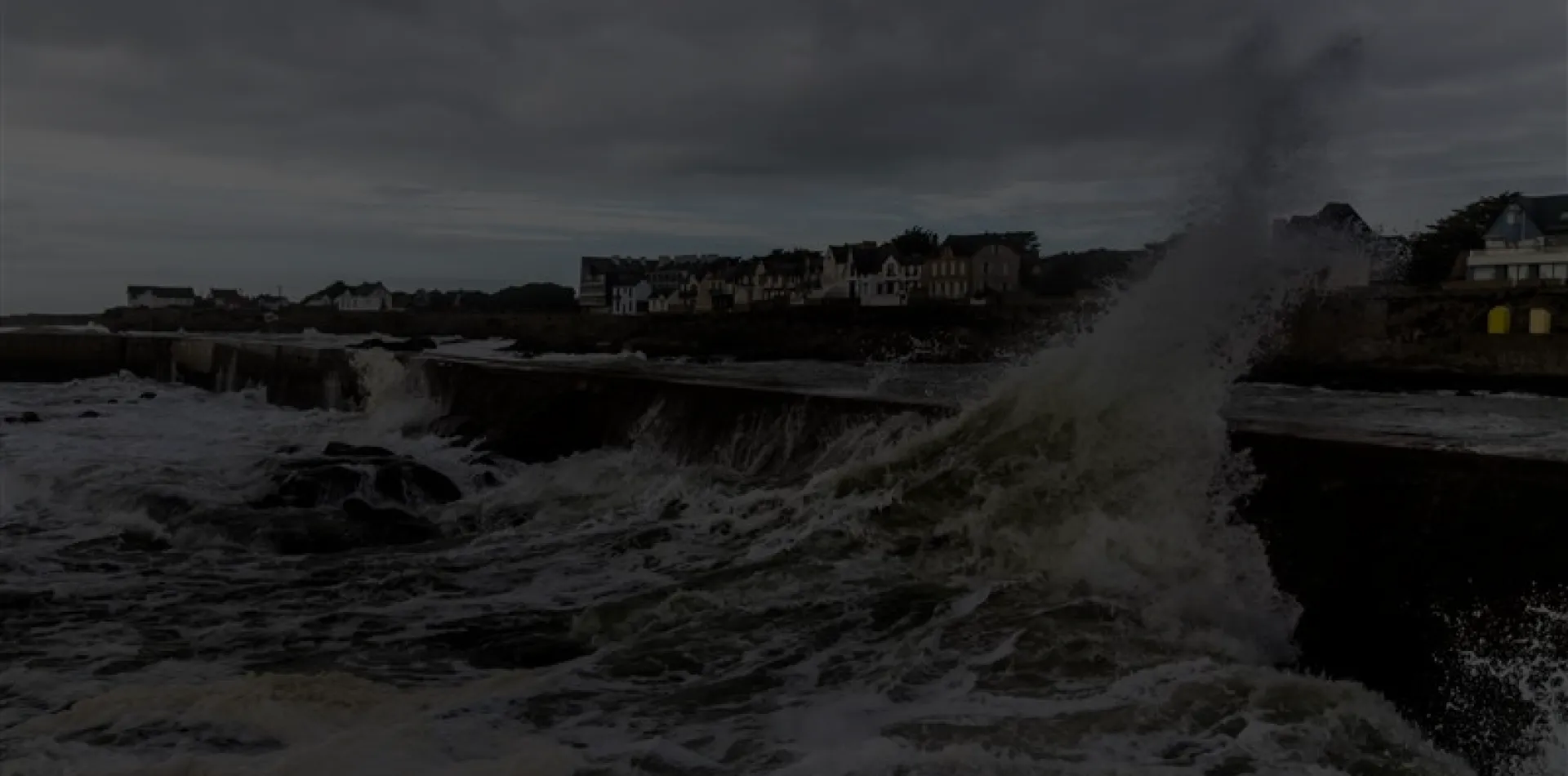
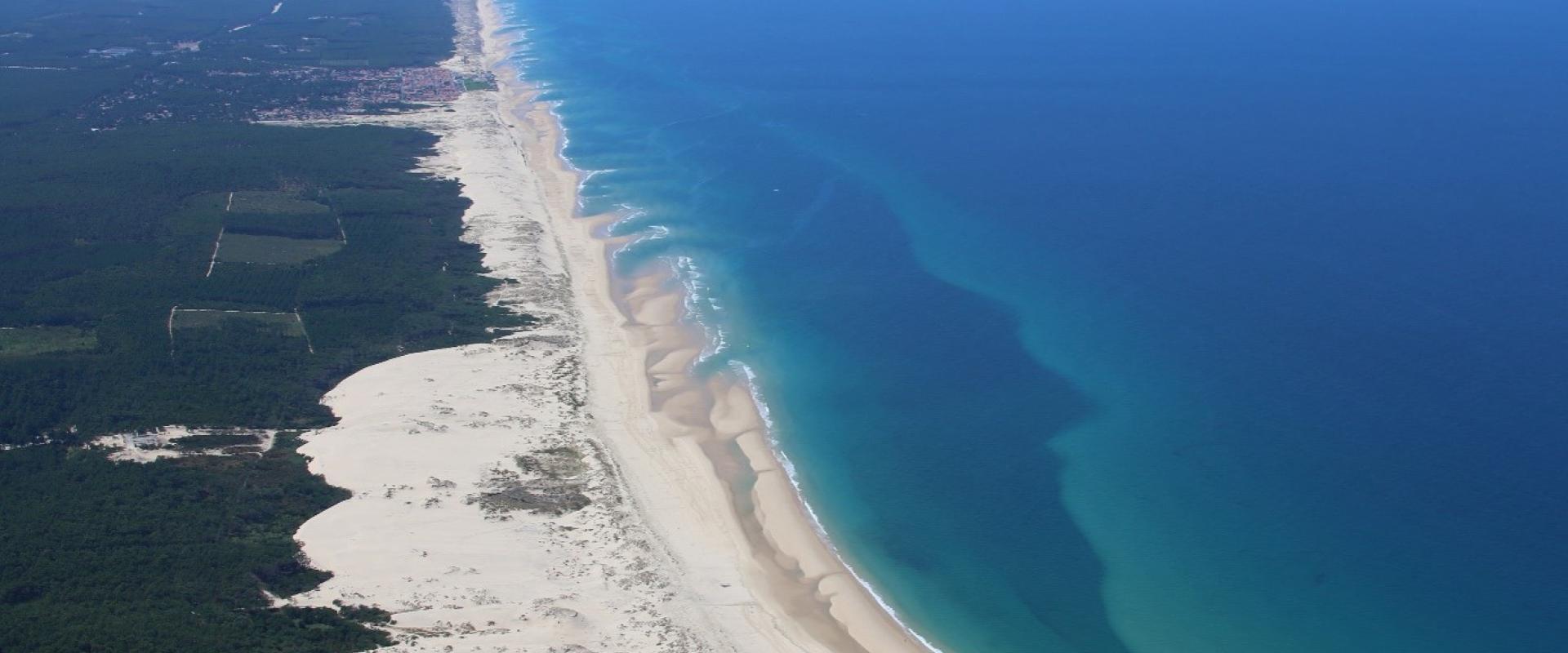
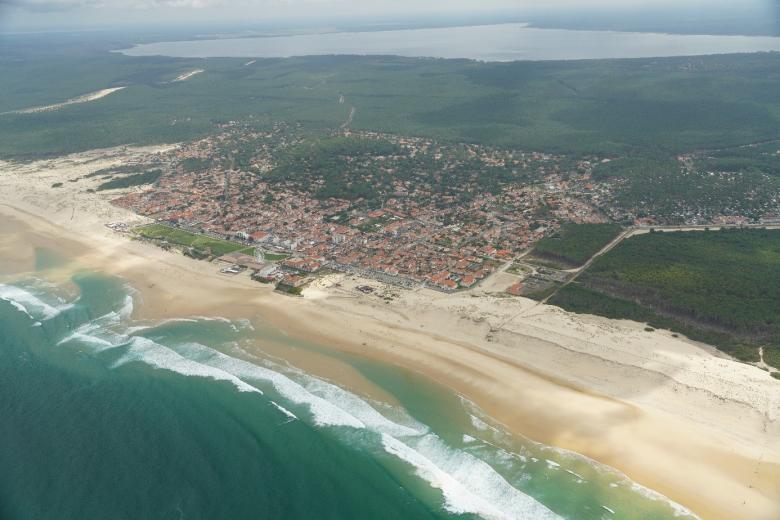
Coastal dunes, mobile and resilient by nature, line more than 1,300 km of coastline in mainland France, where they play a key role against chronic erosion and the growing impacts of climate change. To improve the management and planning of coastal zones, it is crucial to better understand their dynamics and to enhance our capacity to model the underlying physical processes. This also calls for an interdisciplinary approach that combines the analysis of past trajectories and of the impacts of human interventions with collaboration between scientists and stakeholders, in order to identify the obstacles to and opportunities for redeveloping the coastal strip, and to propose a co-constructed decision-support process.
DECIDUNE will adopt this multidisciplinary approach to develop fundamental knowledge, an innovative methodological framework, and generalisable tools, questioning the management model long based on the "total" stabilisation of dunes and the hard engineering of the coastal strip. It will propose proactive and anticipatory strategies, enabling stakeholders to explore management scenarios for the beach–dune–hinterland continuum and to adapt spatial planning to the relevant spatial and temporal scales. These scenarios will be co-constructed with a diverse panel of stakeholders, including coastal-area managers, elected officials, urban planners, associations, and others.
By promoting flexible, adaptive approaches based on natural processes — in a logic of working with, rather than against, natural processes — this project aims to provide coastal societies with tools to develop a culture of adaptation.
Expected outcomes
The project will focus on three study sites representative of the physical and management diversity of the sandy coastlines of mainland France (the Atlantic, Mediterranean, and Channel coasts). These varied contexts, both between sites (meteo-marine forcing, physical and environmental parameters) and within sites (degree of urbanisation, coastal-management practices, and so on), offer both a challenge and an opportunity to explore a broad range of coastal typologies and adaptation trajectories.
The sharing of experience between experts and site stakeholders will foster the generalisation of the approaches developed. It will stimulate the design of new strategies to mitigate shoreline retreat, improve the resilience of dune systems, and plan the spatial reconfiguration of the coastal strip in order to reduce risks. Over the long term, the project positions itself as a decisive contribution to the sustainable management of coastal areas subject to chronic erosion and its intensification under the effects of climate change.
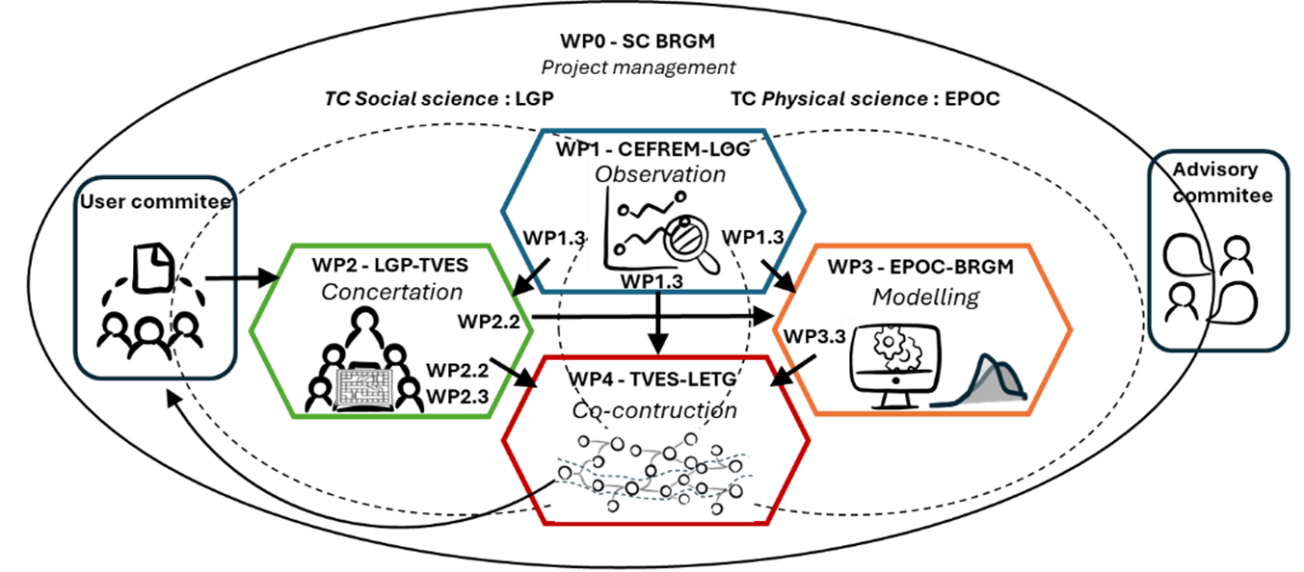
Within DECIDUNE, the four main objectives and innovative aspects, corresponding to the project's work packages, are as follows:
- Analysing the effects of management practices on the evolution of dune systems, with an emphasis on sediment budgets along coastlines with varying levels of urbanisation and development: a multi-source, multi-scale analysis (from the regional to the local level; from the multi-decadal to the seasonal scale).
- Developing a process-based numerical modelling module to improve understanding of dune responses to human interventions at event-scale, seasonal, and multi-year temporal scales: a new module and user interface to simulate the impacts of management on dune morphological evolution.
- Developing and using an action-oriented "serious game" that integrates complex socio-environmental factors in order to explore, together with stakeholders, strategies for urban redevelopment and dune restoration: co-construction of the game with stakeholders, leading to redevelopment scenarios.
- Co-creating adaptation pathways with stakeholders in order to establish robust and flexible strategies for managing chronic erosion and sea-level rise in urban coastal zones: dynamic adaptation pathways based on observations, simulations, and serious-game scenarios.
Project organization
Project leader
Alexandre Nicolae Lerma (BRGM), research engineer and senior scientific expert at the BRGM's Directorate of Territorial Actions
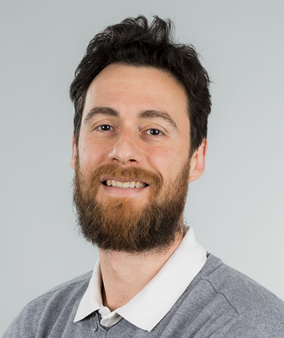
Alexandre Nicolae Lerma
Alexandre Nicolae Lerma
Alexandre Nicolae Lerma is a senior scientific expert at the BRGM's Directorate of Territorial Actions. His research initially focused on coastal hydrodynamics (observation and modelling) and the analysis of the geomorphological evolution of sandy coasts, across timescales ranging from the event to the century. In recent years, he has redirected his work towards analysing the evolution of coastal dunes in relation to management practices and changes in vegetation cover. This theme now forms the core of his research and complements a career devoted to improving the understanding and consideration of coastal hazards, as well as to seeking solutions to mitigate coastal erosion and marine flooding.
Beyond purely academic research, work carried out within a public institute such as the BRGM pursues applied objectives, the development of "action research", and, where necessary, the response to operational needs. Over the past decade, he has developed research in support of dune stakeholders and managers, with the aim of fostering sustainable management and promoting mitigation measures.
This type of approach often raises systemic challenges, which has led him to develop an affinity for multidisciplinary research. The scientific projects in which he has participated, or which he has initiated or coordinated, thus fall within this integrated and collaborative approach, drawing on skills from a range of disciplines (geology, geomorphology, environmental physics, biology, geography, sociology, history).
In recent years, a substantial part of his work in coastal geomorphology has addressed the characterisation and current dynamics of the coastal dunes extending from the north to the south of the Aquitaine coast. His work has focused on (i) analysing the geomorphological state of the dunes along the Aquitaine coast and highlighting their vulnerability to chronic marine erosion, (ii) reconstructing the changes in — and the role played by historical management on — the current morphology of the dunes, and (iii) the response of dunes to marine erosion at the multi-decadal and multi-year scales. His recent studies and ongoing work also address the modalities and timescales associated with the "remobilisation" and fixation of dunes, the links with vegetation-cover dynamics, and the actions of dune managers (nature-based solutions) at different scales.
Partners