

Summary
    On this page, you will find a selection of videos to help you better understand the scientific challenges and research work carried out within the program.
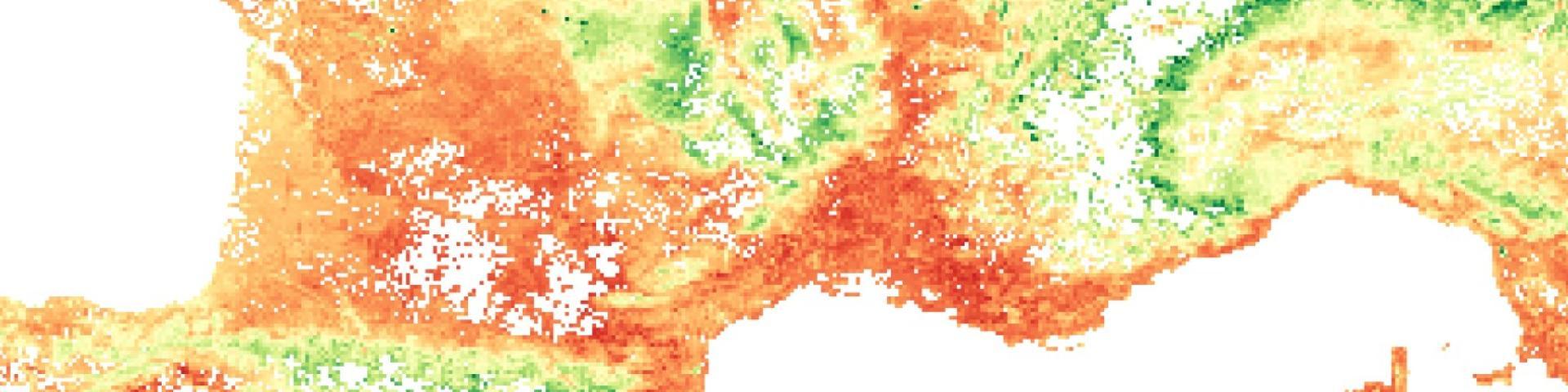
    Résultat d'un prototype de suivi de danger du feu de forêt
    In mountain regions, incomplete knowledge and imperfect modeling of the physical and social processes that generate natural hazards limit the effectiveness of risk assessment and mitigation. The IRIMONT project aims to better characterize the processes at work, as well as the long-term evolution of mountain risks, and ultimately to develop future projections and tools to support stakeholders.

    Webinars: Risks and Mountain Territories (in French)
    Améliorer la prévision des sécheresses pour éclairer la prise de décision. Présentation de Jean-Christophe Calvet (Météo France), coordinateur du projet Risques climatiques.

    © PEPR Risques (IRiMa)

    Webinars: Risks and Mountain Territories (in French)
    Changement climatique et système électrique : aléas climatique et vulnérabilité. Présentation de Philippe Drobinski (CNRS), coordinateur du projet ARDEMACS.

    © PEPR Risques (IRiMa)

    Webinars: Risks and Mountain Territories (in French)

    Risques climatiques et nucléaire, quels outils pour l'anticipation et la gestion de crise ? Présentation d'Irène Korsakissok (ASNR), coordinatrice du projet Risques Natech.

    © PEPR Risques (IRiMa)

    Webinars: Risks and Mountain Territories (in French)

    Incendies : outils pour la prévision en gestion de crise et aspects météorologiques. Présentation de Jean-Baptiste Filippi (CNRS), coordinateur du groupe de travail sur les incendies dans le projet Risques climatiques.

    © PEPR Risques (IRiMa)

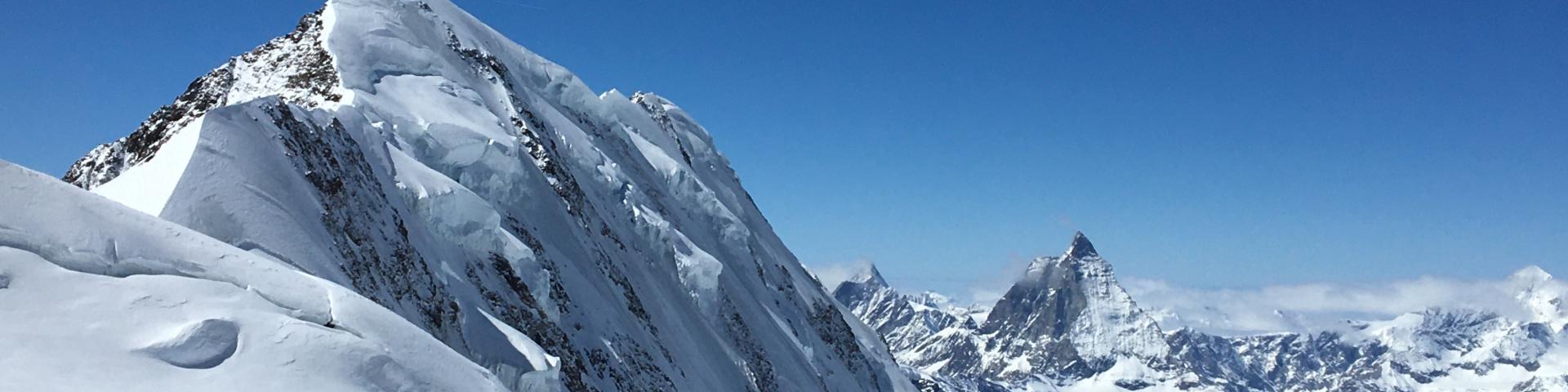
    Vue sur le Lyskamm
    In mountain regions, incomplete knowledge and imperfect modeling of the physical and social processes that generate natural hazards limit the effectiveness of risk assessment and mitigation. The IRIMONT project aims to better characterize the processes at work, as well as the long-term evolution of mountain risks, and ultimately to develop future projections and tools to support stakeholders.

    Webinars: Risks and Mountain Territories (in French)

    Thématique : "An elasto-visco-plastic material point method for granular and geophysical mass flows » par Johan Gaume (CERC- ETH Zürich).

    © PEPR Risques (IRiMa)

    Webinars: Risks and Mountain Territories (in French)

    Thématique : "Petit événement, grand impact : ce que révèle l’événement en cascade du Vallunaraju (28 avril 2025) au Pérou" par Diego Cusicanqui (CNES / CNRS / ISTerre).

    © PEPR Risques (IRiMa)

    Webinars: Risks and Mountain Territories (in French)

    Thématique : "Les risques d’origine glaciaire et périglaciaire du point du vue des SHS » par Sandrine Caroly (PACTE, Risk Institute) & Juliette Bazin (PhD PACTE, Edytem).

    © PEPR Risques (IRiMa)

    Thématique : "De la reconstitution pluriséculaire des mouvements de versant à la gestion des risques naturels : les apports de la dendrogéomorphologie." par Christophe Corona (Laboratoire d'Ecologie Alpine, UGA/CNRS).

    © PEPR Risques (IRiMa)

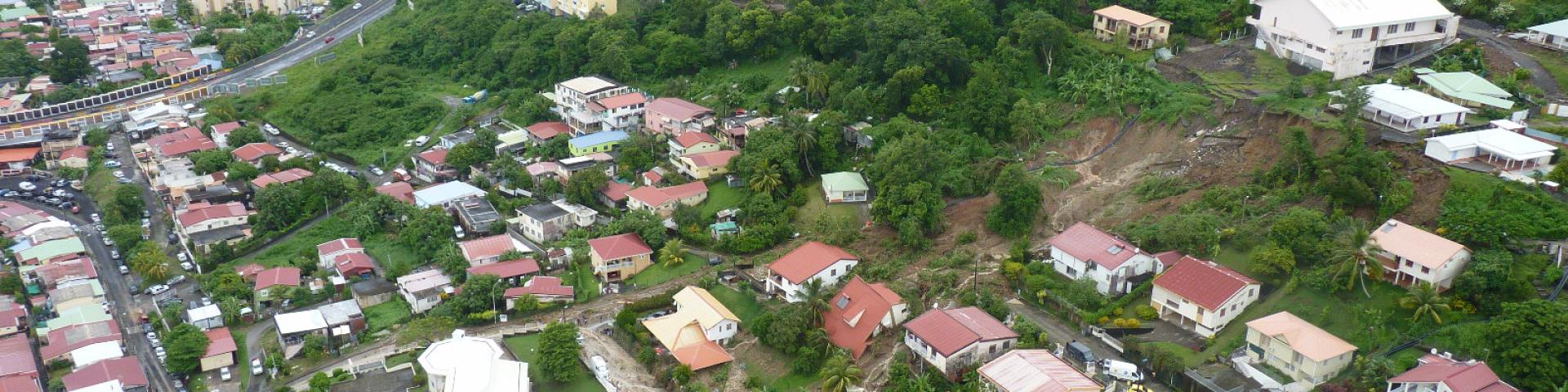
    La partie sud du glissement de Morne Calebasse à Fort-de-France
    The overlap and combination of different risks within the same territories, along with their intensification due to climate change, raise new scientific, social, and political challenges. The “Risks and Societies” project of the Risks Program (IRiMa) seeks to address several of these challenges by analyzing current risk management practices and their impacts, developing new frameworks and tools to better characterize risks, and designing governance mechanisms in collaboration with stakeholders (operational services, citizens, etc.) to achieve sustainable risk and disaster reduction.

    International Weather and Climate Forum - The socio-economic impacts of drought (in French)

    Les impacts sociaux-économiques de la sécheresse : renouveler nos cadres d'appréhension des problèmes et des solutions ?

    Soraya Boudia (Université Paris Cité / CNRS) co-directrice du programme Risques (IRiMa), coordinatrice du projet Risques et société.

    © PEPR Risques (IRiMa)